
NASA and UNOS Unite to Transform Organ Transport Efficiency

Innovative solutions for healthcare
Our expertise in data science and biostatistics means insights and innovative solutions to help you become even more effective and efficient. Let’s work together.
Explore UNOS solutions"UNOS has provided us with an amazing framework and foundation as they continue to evolve UNOS tools. I would be at a loss without them."
— Abbey Olsen, transplant quality manager at University of Utah Health

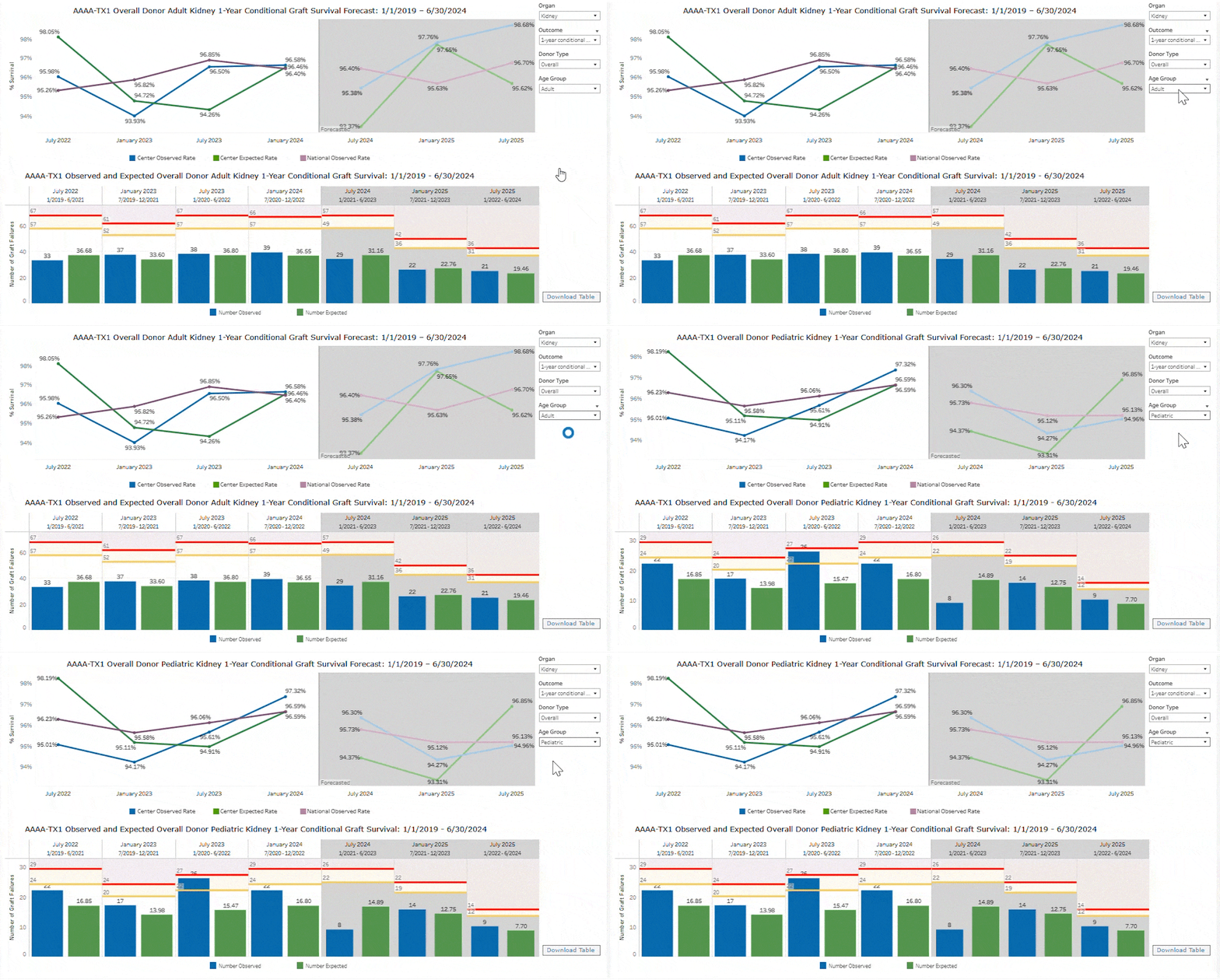
UNOS PredictSM
UNOS Predict helps transplant hospitals anticipate challenges, advocate for resources and drive continuous improvement in program outcomes. Driven by user feedback, recent enhancements have made this tool even stronger.

UNOS Organ Tracking ServiceSM
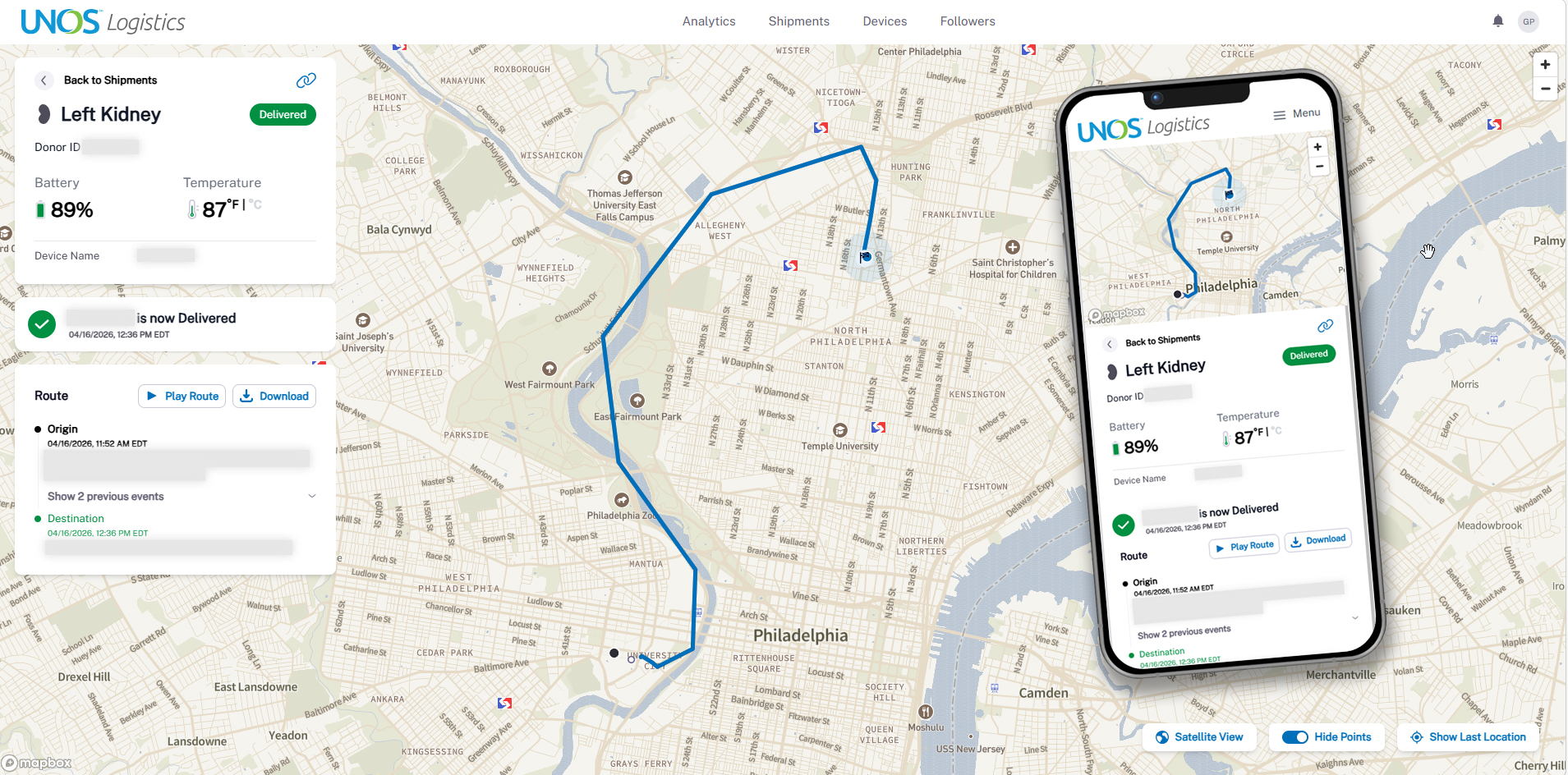
The real-time Organ Tracking Service (OTS) gives Organ Procurement Organizations (OPOs) real-time visibility into their package’s journey.
With comprehensive tracking, seamless integration and UNOS staff ready to assist with tracker returns, the UNOS OTS helps OPOs save costs, time and stress.
Professional research and consulting services
UNOS Research Consulting helps medical device and pharmaceutical companies find the data that really matters. Whether you’re looking for actionable insights on a lifesaving device or key insights into your product’s long-term outcomes, the UNOS Research Consulting team works to deliver a solution that’s tailored for you.

News and perspectives
Learn about what’s happening in U.S. organ donation and transplantation and how UNOS is playing a part in strengthening the system.

Mark Johnson named CEO of UNOS
CEO Mark Johnson, will guide UNOS’ continued work to strengthen the organ donation and transplant system.
UNOS Staffing Survey provides trusted data for staffing decisions
The UNOS Staffing Survey provides transplant programs with reliable national benchmarking data and workforce insights.
UNOS leads stakeholder coalition urging FAA to consider organ transportation in final drone rule
Public comment letter highlights the lifesaving potential of drone technology, urges a regulatory framework that supports safe medical drone operations.